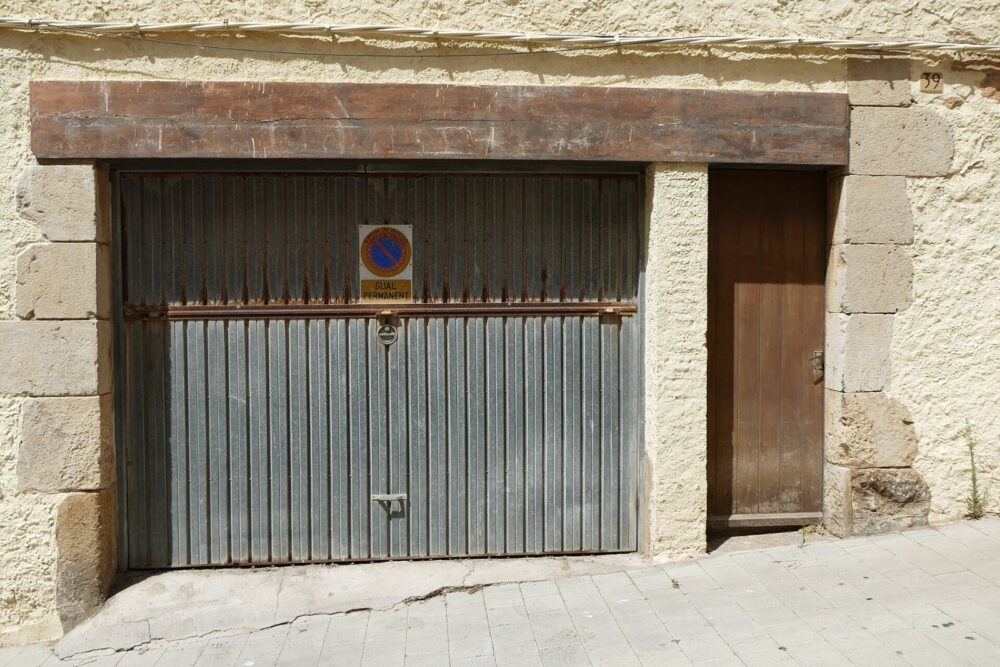
A garage car wash means cleaning your car inside a private garage or covered parking bay instead of on a driveway or at a wash station. Done right, it gives you shade, no wind-blown sand and time to work carefully. The main challenges are water containment, drainage and ventilation, which is why many garage washers rely on rinseless products rather than a hose.
In this guide
Why wash in a garage at all
Washing in direct UAE sun is hard on paint and on the person doing it. Water and shampoo dry on hot panels within seconds, leaving spots and streaks. A garage solves several problems at once:
- Panels stay cooler, so products work as intended.
- Wind cannot blow fresh dust onto wet paint.
- You can wash in the evening under good light.
- Tools and products are already where you store them.
The trade-off is that a garage floor was not designed as a wash bay. Without a floor drain, water pools, runs under storage and can damage walls, boxes and electrics.
Pick a method that suits your floor
| Garage setup | Suitable method | Water needed |
|---|---|---|
| No drain, finished floor | Rinseless or waterless | A bucket or less |
| No drain, containment mat | Light pressure rinse plus hand wash | Moderate, contained |
| Floor drain connected appropriately | Two-bucket wash with rinse | Moderate |
| Shared basement car park | Rinseless only, if building allows | Minimal |
For a side-by-side look at time and effort, see the car wash methods comparison.
Rinseless wash
This is the most practical garage method. You mix a rinseless concentrate in a bucket, soak plush microfibre towels in it, and wipe one panel at a time, drying immediately. No hose and almost no run-off.
Containment mat wash
A containment mat is a raised-edge mat that catches water so it can be pumped or squeezed out. It allows a traditional wash in a garage, but you need a plan for disposing of the collected water appropriately.
Setting up the space
Before you start
- Move boxes, tools and anything cardboard away from the car’s perimeter.
- Unplug or cover low sockets and extension leads near the wash area.
- Open the garage door or run ventilation, especially if using solvent-based products.
- Lay down an old towel or mat by the doors to catch drips.
- Set up bright, even lighting so you can see streaks.
Never run a petrol pressure washer or the car’s engine with the garage door closed. Exhaust fumes build up quickly in an enclosed space.
Step-by-step garage wash
- Inspect the dirt level. Light dust is fine for rinseless. Heavy sand or mud needs a proper rinse elsewhere first.
- Wheels first. Use a separate bucket and brushes, and keep wheel towels separate from paint towels.
- Pre-spray a panel with rinseless solution to start lifting dirt.
- Wipe in straight lines with a soaked towel folded in quarters. Flip to a fresh side after each pass.
- Dry immediately with a clean, dedicated drying towel.
- Move top to bottom. Roof and glass first, lower sills and bumpers last, since they are dirtiest.
- Finish with glass using a dedicated glass towel.
- Optional protection. Many rinseless products leave a slight gloss; a spray sealant can add more.
In a garage, the enemy is not water. It is grit. Clean towels and patience matter more than pressure.
Managing water and run-off
Even with a hose-based wash, aim to keep water use low. Do not let soapy water run out of the garage onto the street or into storm drains. Dubai Municipality and other local authorities restrict this, and fines can apply. Community and building rules may also prohibit certain washing methods, so check with your management company first.
Floor and wall care
- Epoxy-coated floors can become very slippery when wet and soapy.
- Bare concrete absorbs chemicals and can stain.
- Water left against plasterboard or wooden storage can cause damage over time.
- Wipe up spills promptly and leave the door open to let the space dry.
Interior and extras
A garage is a good place for interior work too. Use a vacuum with crevice tools, clean hard surfaces with a dedicated interior cleaner, and treat leather with a suitable conditioner. Follow the order in our full detailing checklist so you do not undo earlier steps, for example by vacuuming after cleaning glass.
A simple garage wash kit
You do not need much to wash well indoors. A practical starter kit looks like this:
- Two buckets, ideally with grit guards, one for solution and one for wheel work
- A rinseless wash concentrate and a pump sprayer for pre-spraying panels
- Eight to ten plush microfibre towels for washing, plus two large drying towels
- A soft wheel brush and a separate small detailing brush for badges and grilles
- A dedicated glass towel and an ammonia-free glass cleaner
- A containment mat if you want to use a hose-based method later
Start small and add items only when you find a real gap in your routine. More products do not mean a cleaner car.
Storage tips
- Keep chemicals in closed containers on a shelf away from heat sources.
- Wash microfibre towels separately from other laundry, without fabric softener.
- Store buckets upside down to dry, and keep grit guards clean.
- Label diluted products with the contents and date.
Garages in the UAE can get very hot in summer. Some products separate or degrade in extreme heat, so check labels for storage temperatures.
Frequently asked questions
Can I use a pressure washer in my garage?
An electric pressure washer can be used with care if you can contain the water and keep electrics dry. Never use petrol-powered models indoors.
Is rinseless washing as good as a normal wash?
On lightly dusty cars, it gives excellent results. On heavy dirt or sand, a full wash with rinsing is safer.
How do I stop water spots in the garage?
Dry each panel immediately with a clean towel. Using filtered or deionised water also helps.
Can I wash my car in a shared basement car park?
Only if building management permits it, and usually only with rinseless or waterless methods.
Sources: Dubai Municipality, Dubai Civil Defence, US EPA
Cover photo: Kritzolina, CC BY-SA 4.0. Last reviewed: 2026-11-25.