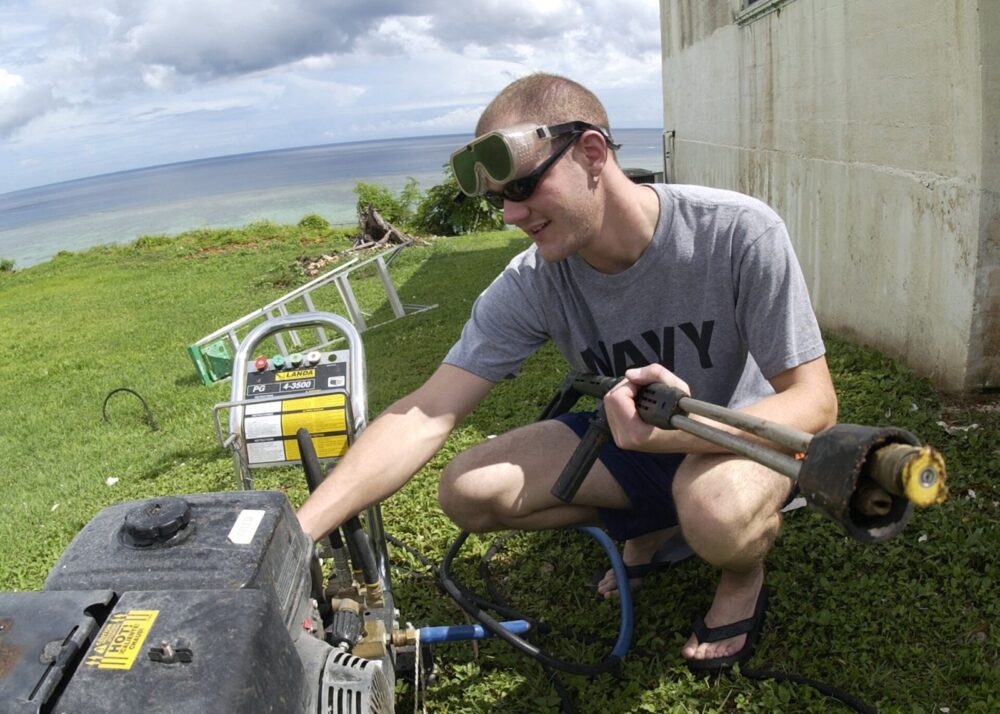
For washing a car at home, the right “car wash machine” is usually a compact electric pressure washer with a moderate pressure rating, a wide fan nozzle and the option to fit a snow foam lance. More pressure is not better: flow rate, nozzle choice and safe technique decide whether the machine cleans well without damaging paint, trim or seals.
In this guide
What people mean by a car wash machine
The term covers several different tools, and it helps to know which one you actually need.
| Machine | What it does | Good for |
|---|---|---|
| Electric pressure washer | Pumps tap water at high pressure through a nozzle | Most home and villa users |
| Petrol pressure washer | Same job with a petrol engine and higher output | Fleets, farms, large outdoor areas |
| Cordless or battery washer | Low-pressure portable unit that can draw from a bucket | Apartments, travel, quick rinses |
| Steam cleaner | Produces hot, low-moisture steam | Interiors, engine bays, low-water washing |
| Wet and dry vacuum | Extracts water and dirt from carpets | Interior cleaning after shampooing |
For most homeowners, a mid-sized electric pressure washer covers 90 percent of jobs. Our wash method comparison explains where a pressure washer fits against bucket, rinseless and waterless methods.
Specifications that actually matter
Pressure (bar or psi)
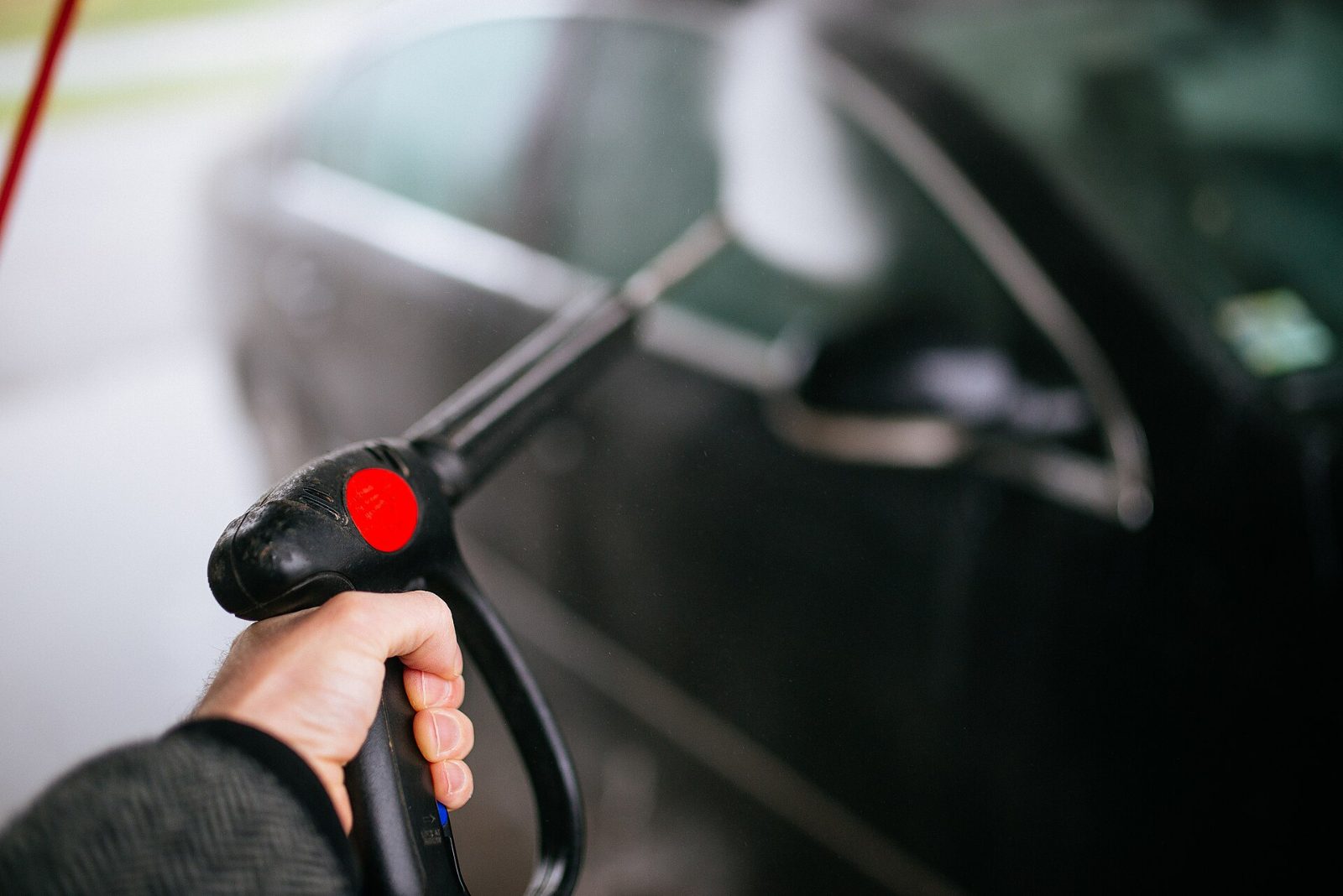
Pressure is the headline figure on the box, but for car washing a moderate rating is enough. Very high pressure increases the risk of lifting chipped paint, forcing water past seals, or damaging soft plastic and rubber parts. Use the lower pressure settings or wider nozzles when working on paint.
Flow rate (litres per minute)
Flow rate decides how quickly the machine rinses away dirt and foam. Two machines with the same pressure can feel very different in use if one moves noticeably more water. A balanced combination of pressure and flow usually washes faster and more safely than high pressure alone.
Hose length and build quality
A longer hose lets you walk around the car without dragging the machine, which reduces the chance of it rolling into the paint. Metal hose connectors and a solid pump housing tend to last longer than all-plastic fittings, especially in heat.
Accessories
- Snow foam lance: covers the car in thick foam that loosens dirt before contact washing
- Wide fan nozzle: the safest nozzle for paint
- Rotary or turbo nozzle: useful for wheel arches and tyres, never for paint
- Underbody lance: helpful after desert trips to flush sand from the chassis
Nozzles to keep away from paint
Zero-degree pencil jets and rotary turbo nozzles concentrate pressure into a tiny spot. They can cut into paint, peel decals and damage tyre sidewalls. Keep them for concrete and wheel arches only.
Using a pressure washer safely on a car
- Start with the widest nozzle and the lowest useful pressure.
- Keep the nozzle at a sensible distance from the paint, roughly 30 cm or more, and closer only on wheels and arches.
- Rinse from the top down, letting gravity carry sand and dust away.
- Avoid aiming directly at panel gaps, door seals, badges, sensors and chipped areas.
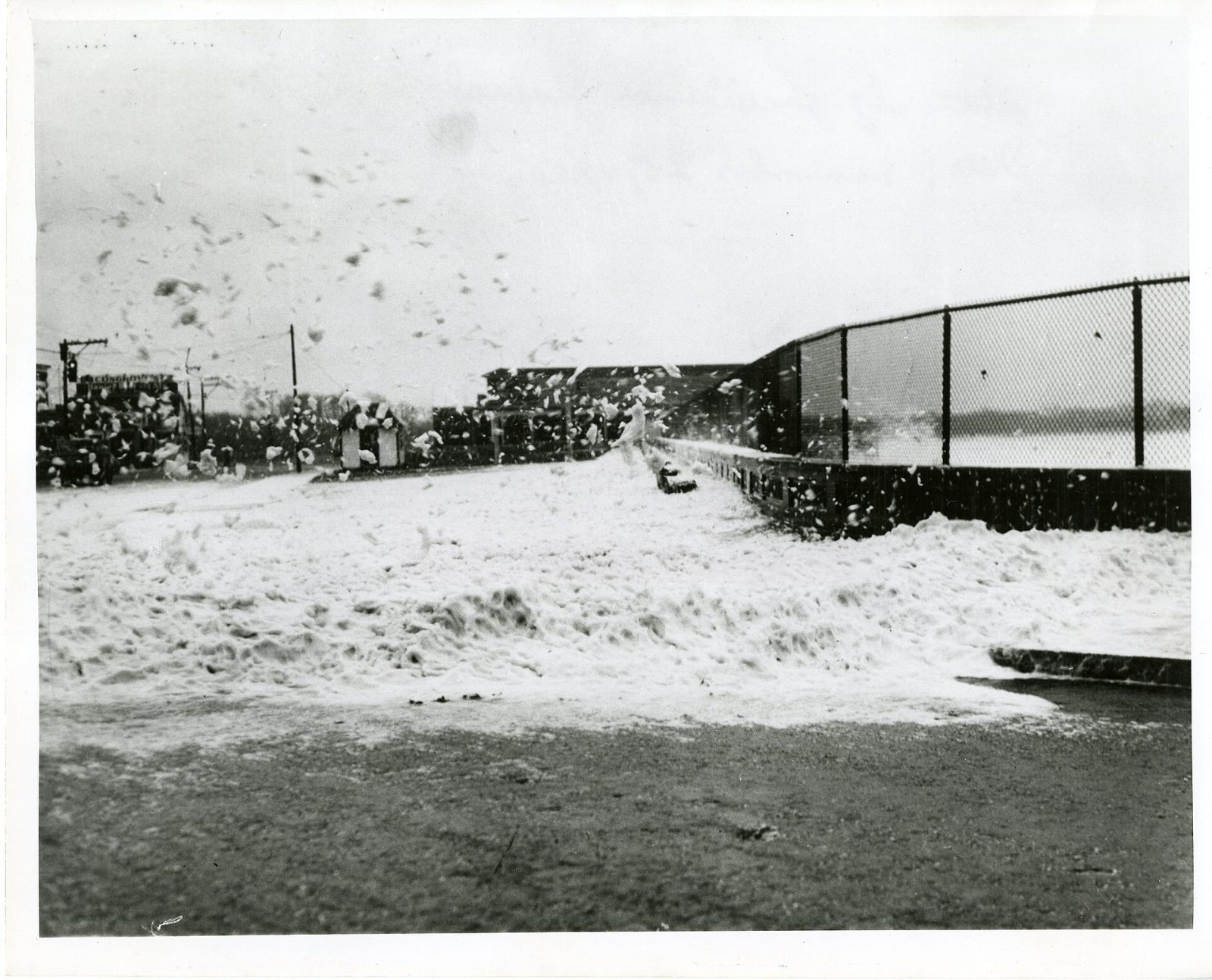
- Apply snow foam, let it dwell for a few minutes in shade without drying, then rinse.
- Follow with a gentle contact wash using the two-bucket method if the car is still dirty.
- Rinse again and dry straight away.
Treat the pressure washer as a rinsing tool, not a scrubbing tool.
Choosing a machine for UAE homes
Villa owners
A mid-range electric pressure washer with a hose reel, a long hose and a snow foam lance is the most practical setup. Check that the outdoor socket is protected from water, and use a residual current device for safety.
Apartment residents
Most towers do not allow hose washing in car parks. A cordless washer that draws from a bucket, combined with rinseless products, is a better fit. Always check building rules first.
Heat and storage
Store the machine in shade. Plastic housings, hoses and seals degrade faster if left in direct sun on a balcony or driveway. Drain water from the pump after use to reduce scale build-up, especially in areas with hard water.
Water spots in the UAE
Tap water in many areas leaves mineral spots when it dries in the sun. Wash in the early morning or evening, dry the car promptly, and consider a filtered final rinse if spots are a persistent problem.
Maintenance tips
| Task | How often | Why |
|---|---|---|
| Rinse the inlet filter | Every few washes | Prevents grit reaching the pump |
| Check hose for kinks and cracks | Monthly | High-pressure hoses can burst |
| Flush foam lance with clean water | After every use | Dried soap blocks the mesh |
| Store out of the sun | Always | Heat ages plastic and seals |
| Inspect power cable and plug | Monthly | Safety around water |
Is a pressure washer worth it?
If you wash your car regularly and have outdoor space with water and power, a pressure washer saves time and makes pre-rinsing far more effective, which reduces swirl marks. If you live in an apartment or wash only occasionally, a good bucket kit and a rinseless product may serve you better. Our full detail checklist shows how washing fits into a wider cleaning routine.
Frequently asked questions
What pressure is safe for washing a car?
A moderate setting with a wide fan nozzle and a sensible distance from the paint is safe for most cars. Check your machine’s manual for recommended car-washing settings.
Can a pressure washer damage car paint?
Yes, if used too close, with a narrow nozzle, or on paint that is already chipped or peeling. Correct technique makes the risk very low.
Do I need a snow foam lance?
It is optional but useful. Snow foam loosens dirt before you touch the paint, which reduces the risk of scratching.
Can I use a pressure washer on the engine bay?
Only with care, at low pressure and with sensitive electrical parts protected. Many owners prefer to clean engine bays by hand or with steam.
Sources: Kärcher, Dubai Municipality, International Carwash Association
Last reviewed: 2026-11-25.