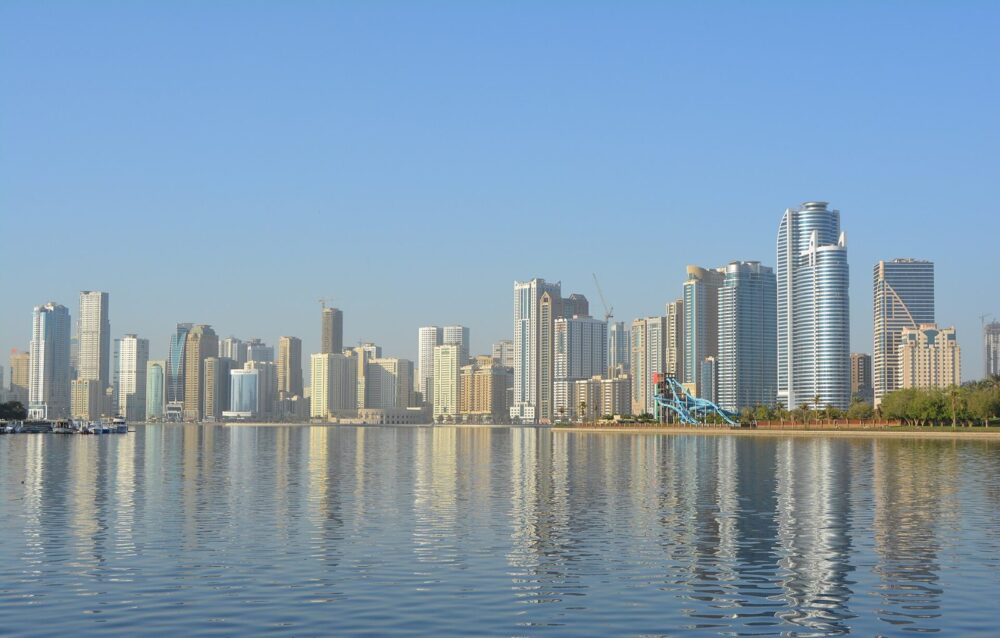
Car detailing in Sharjah is mostly about fighting three things: fine dust, intense sun and coastal humidity. A sensible plan is regular safe washing, decontamination and fresh protection every few months, and a careful interior clean that removes sand from carpets and seams. Whether you use a workshop, a mobile detailer or your own kit, the method matters more than the package name.
In this guide
What Sharjah conditions do to a car
Sharjah sits between the coast and the desert, with busy industrial areas and heavy commuter traffic towards Dubai. That mix shows up on cars in predictable ways.
- Dust and sand. Fine particles settle daily and act like abrasive paste if wiped off dry. Sandstorms leave a gritty layer in door shuts, window channels and air vents.
- Sun and heat. UV and high panel temperatures break down waxes and sealants faster, fade black plastic trim and dry out leather.
- Humidity near the coast. Morning dew mixes with dust to leave muddy spots and water marks, and humid nights followed by hot days encourage mineral spotting.
- Industrial fallout. Cars parked near industrial areas or busy roads collect iron particles and tar that feel rough under the fingertips.
- Long commutes. Hours in traffic mean more interior wear, more food and drink spills, and AC systems that run almost constantly.
Detailing for Sharjah conditions is therefore less about show-car gloss and more about removing contamination safely and keeping protection on the paint.
Which services are worth paying for
| Service | What it solves | How often (typical) |
|---|---|---|
| Safe maintenance wash | Dust and road film | Every one to two weeks |
| Interior vacuum and wipe-down | Sand, dust, light spills | With each wash |
| Iron and tar decontamination plus clay | Rough paint, industrial fallout | A few times a year |
| One-step machine polish | Light swirls, dull paint | Once a year or less |
| Multi-stage paint correction | Heavy swirls and scratches | Rarely; before a coating or sale |
| Sealant or spray coating | Protection, easier washing | Every few months depending on product |
| Ceramic coating | Longer-lasting protection | Once, with maintenance |
| Upholstery and carpet shampoo | Stains, odours | Once or twice a year |
| Leather clean and condition | Dryness, cracking | Every few months |
You do not need everything. Most owners get the best value from regular safe washes, a sealant top-up, and one deeper detail a year.
A simple yearly rhythm
- Weekly or fortnightly: safe wash and interior tidy
- Every few months: decontamination and fresh sealant
- Once a year: deep interior clean and, if needed, a light polish
Judging a detailer: workshop or mobile
Sharjah has fixed detailing workshops and a growing number of mobile services that come to villas and offices. Both can do good work. These questions help you tell the difference between careful and careless:
- Wash method. Do they pre-rinse or pre-foam before touching the paint? Do they use separate mitts and buckets for wheels?
- Towels. Are microfibres clean and separated by job, or does one towel do everything?
- Polishing. Who operates the machine polisher, and do they measure or at least inspect paint before cutting? Over-polishing thins clear coat permanently.
- Products. Can they name the sealant or coating and explain its expected life in local conditions?
- Interior chemicals. Do they use dedicated leather and plastics products rather than one all-purpose cleaner?
- Location. For mobile services, are they allowed to work in your building or community parking, and how do they handle water and runoff?
Ask for a written list of steps for any package. Two packages with the same name can be very different jobs.
What you can safely do yourself
Many Sharjah residents live in apartments where washing in the car park is restricted. Plenty of detailing work can still be done without a hose.
- Rinseless washing. A bucket of water with rinseless wash solution and a stack of clean microfibres handles routine dust. Work one panel at a time and fold towels to a fresh side often.
- Interior care. Vacuum with a crevice tool and a soft brush to lift sand from seams, then wipe plastics with an interior cleaner and a separate towel to dry.
- Glass. Clean inside glass regularly; the haze from heat and AC makes night driving harder.
- Spray sealant. After washing, a spray sealant applied in shade is a low-effort way to keep protection on.
- Leather. Use a pH-balanced leather cleaner and a light conditioner, especially on seats that get direct sun.
Our full detail checklist lists steps and tools in order, and our car wash methods comparison helps you choose between hose, rinseless and waterless methods.
Protecting paint and trim from the sun
Because heat and UV are relentless, protection matters more than gloss.
- Park in shade or covered parking whenever possible. A sunshade on the windscreen helps the dashboard as much as the driver.
- Keep a sealant or coating on the paint and top it up before it fails. When water stops beading and the paint feels grabby, protection has worn off.
- Treat black plastic trim with a UV-protective dressing. Faded trim is much harder to restore than to maintain.
- Clean bird droppings and insect residue quickly. In heat they etch into clear coat within days.
In Sharjah, protection is the detailing step that pays for itself; the polish is optional.
Interior odours and AC
Sand, food, sweat and humidity can make cabins smell stale. Before buying fragrances, find the source.
- Vacuum under seats and in seat rails.
- Lift mats and check for damp underneath.
- Replace the cabin air filter as specified by the manufacturer. In dusty conditions some owners do this more often than the standard interval.
- If a musty smell comes from the vents when the AC starts, the evaporator may need cleaning by a workshop.
Avoid these common shortcuts
- Wiping dust off dry paint with a cloth or duster
- Using household dish soap, which strips protection
- Washing or applying products on a hot panel in direct sun
- Dressing tyres with greasy products that sling onto paint
Frequently asked questions
How often should I detail my car in Sharjah?
Most daily drivers benefit from a safe wash every one to two weeks, fresh protection every few months and a deeper detail once a year. Cars parked outdoors need protection topped up more often.
Is a ceramic coating worth it in Sharjah?
A coating makes washing easier and helps resist contamination, but it still needs safe washing and maintenance. It is a good choice if you plan to keep the car and maintain it properly.
Can mobile detailers work in my building?
That depends on your building or community rules. Some allow approved operators, some only in designated areas. Check with management before booking.
What is the most important step for interior care?
Thorough vacuuming with a brush to lift embedded sand, because grit wears carpet and seat fabric over time.
Sources: Sharjah Municipality, Roads and Transport Authority
Cover photo: Mueed Ahmed, CC BY-SA 4.0. Last reviewed: 2026-11-25.