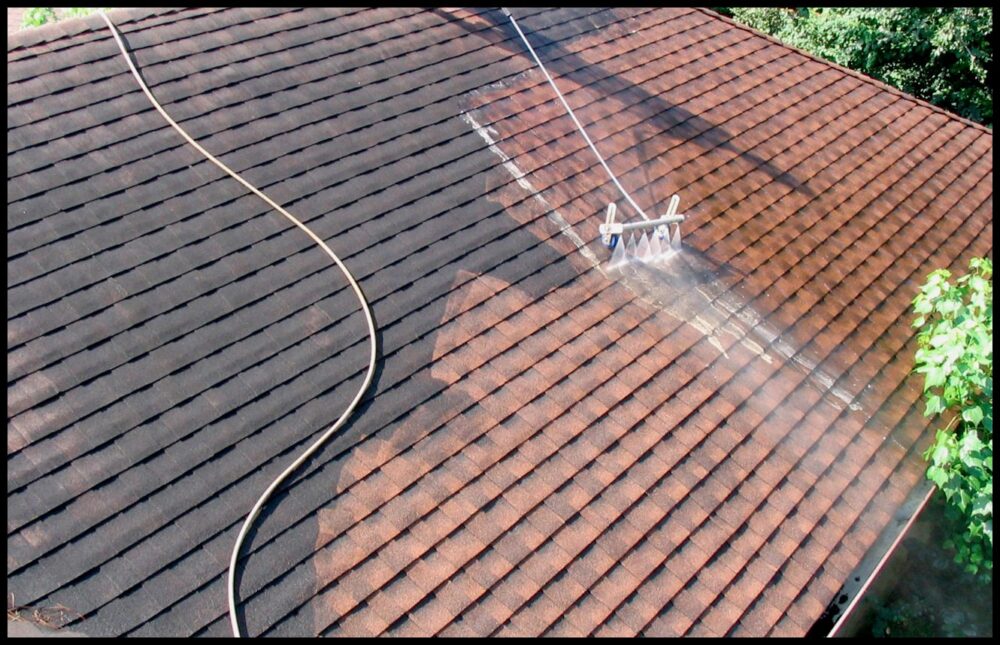
A Kärcher car wash at home works well if you treat the pressure washer as a rinsing tool, not a scrubbing tool. Use a wide fan nozzle, keep the lance at a safe distance, let foam or shampoo loosen the dirt, and still do a gentle hand wash with a mitt. The machine saves water and time; it does not replace contact washing on a dirty car.
In this guide
- Why pressure washers became the default home wash tool
- Choosing the right machine and accessories
- A safe pressure washer car wash, step by step
- Where not to point the jet
- Water, rules and where you can wash in the UAE
- Looking after the machine in heat and dust
- Pressure washer, hand wash or automatic: which suits you
- Frequently asked questions
Why pressure washers became the default home wash tool
Kärcher is the brand most people name, but the advice here applies to any domestic electric pressure washer from a reputable maker. In the UAE they are popular for a simple reason: fine desert dust settles on everything, and a low-volume, higher-pressure rinse lifts loose grit off the paint before you ever touch it with a mitt. That pre-rinse step is where most swirl marks are prevented.
A pressure washer also uses its water efficiently. A garden hose runs continuously, while a pressure washer delivers a narrow stream only while you hold the trigger. For villa owners who pay for every litre and for apartment residents who wash from a bucket or tank, that matters.
The trade-off is risk. A jet held too close can lift loose clear coat at chips, push water past door seals, tear old stickers and damage soft trims. Every problem we see from home pressure washing comes from distance, nozzle choice or aiming at the wrong part of the car.
Choosing the right machine and accessories
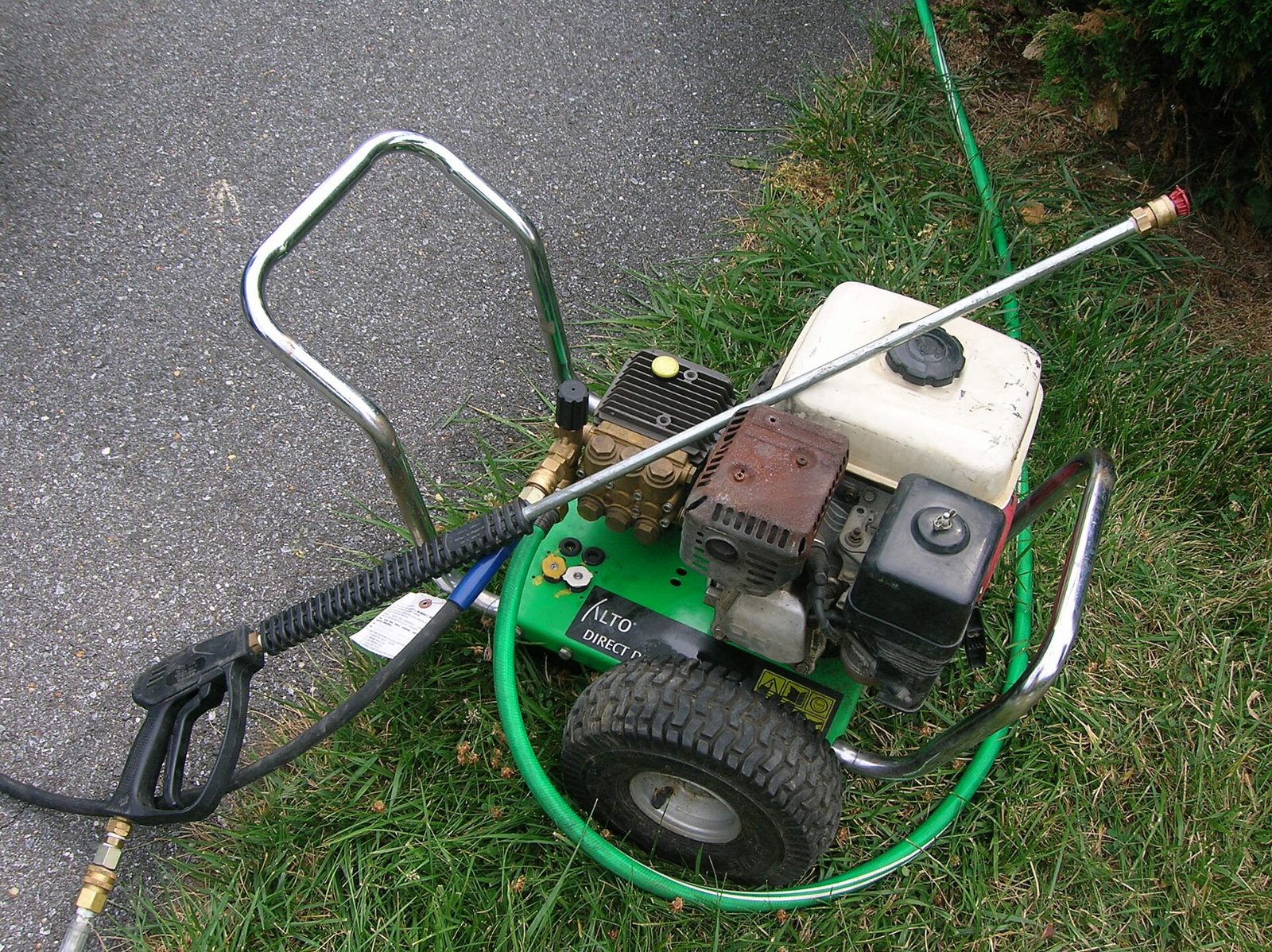
You do not need the most powerful unit for car washing. Mid-range domestic machines have more than enough pressure for paint, and the extra power of bigger units is mostly useful for patios and driveways. What matters more is the kit around the machine.
| Accessory | What it does | Use on paint? |
|---|---|---|
| Adjustable fan lance (Vario type) | Spreads the jet from narrow to wide | Yes, on the widest, softest setting |
| Rotating “dirt blaster” nozzle | Spins a pinpoint jet for stone and concrete | No, keep it off the car entirely |
| Foam lance or foam bottle | Lays thick shampoo foam on the panels | Yes, for pre-wash |
| Short angled lance | Reaches wheel arches and under sills | Yes, with care |
| Suction hose and filter | Lets some models draw from a tank or bucket | Useful where there is no tap |
| Car wash brush attachment | Soft brush on the lance | Only if it is clean and genuinely soft |
Check the specific model’s manual before buying accessories. Fittings differ between product lines and between brands, and adapters that do not lock properly can leak or detach under pressure.
Quick nozzle rule
- Widest fan for paint and glass
- Medium fan for wheel arches and tyres
- Pinpoint or rotating nozzles never touch the car
A safe pressure washer car wash, step by step
- Work in shade. In UAE heat, water and shampoo dry on hot panels within minutes and leave spots. Wash early in the morning, after sunset, or in a covered parking bay where washing is allowed.
- Cool the car first. If the car has been parked in the sun, give the panels a gentle rinse and wait a minute before applying any chemicals.
- Rinse top to bottom. Hold the lance at roughly 30 cm or more from paint, and further on older or repainted panels. Move steadily; do not dwell on one spot.
- Foam. Apply a pH-neutral snow foam or diluted car shampoo through the foam lance. Let it dwell for the time the product label states, but never let it dry.
- Rinse the foam off. The foam carries a lot of loose dust away with it, which means less grit under your mitt.
- Contact wash. Use the two-bucket method and a clean microfibre or lambswool mitt, working from the roof down. The pressure washer does not get road film off on its own.
- Final rinse. Use the widest fan, again top to bottom, flushing shampoo out of panel gaps and mirror housings.
- Dry. Use a large, clean drying towel or a blower. Do not let the car air-dry in the sun.
For a side-by-side look at how this compares with rinseless, waterless and automatic washes, see our car wash methods comparison.
Where not to point the jet
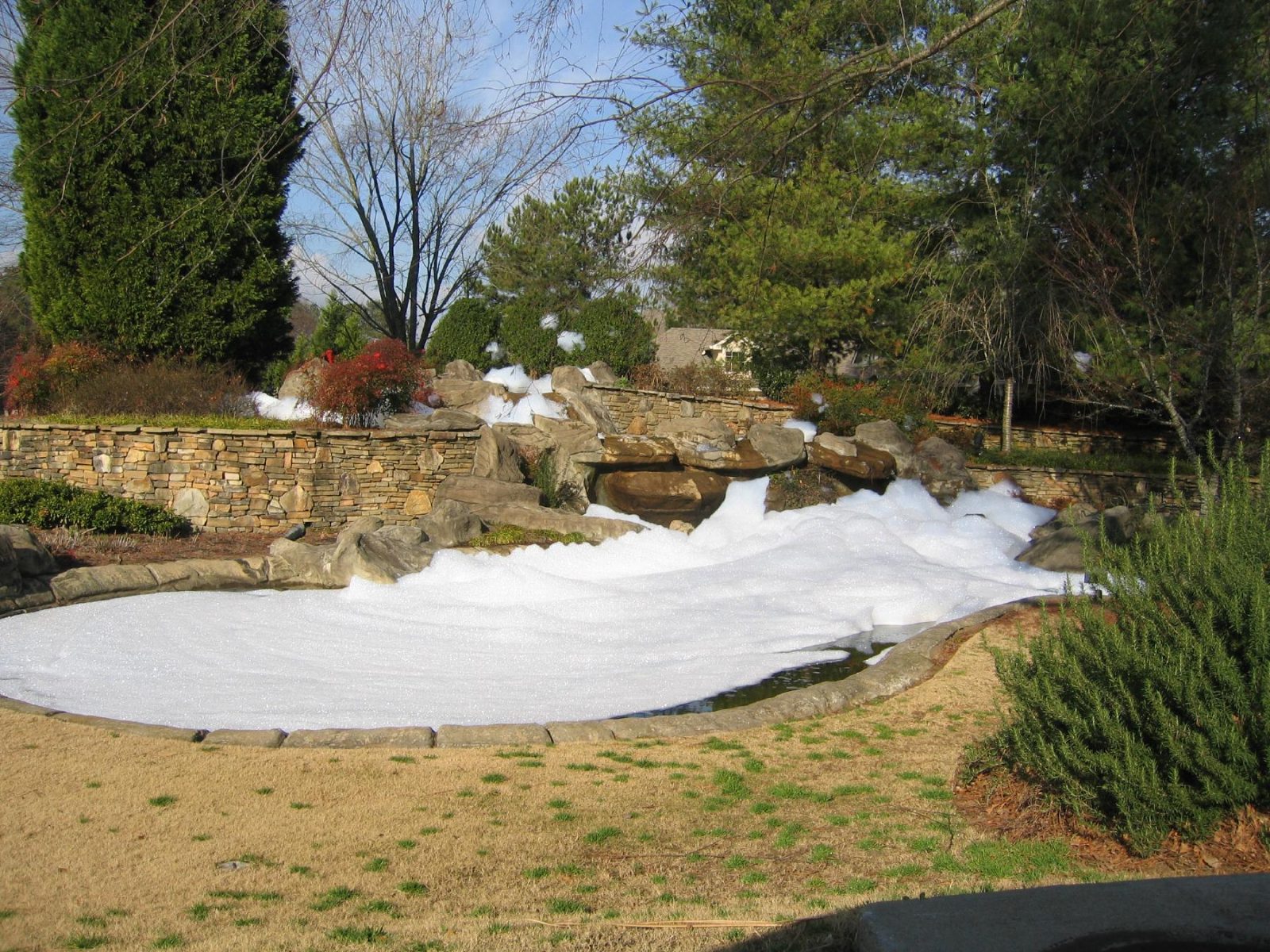
Most damage from home pressure washing is caused by spraying the wrong area, not by the machine itself. Be cautious around:
- Chips and cracked paint. Water under pressure can get under the edge and lift more paint. Rinse these spots from further away, or skip them.
- Badges, stickers and vinyl wraps. Aim across the edge, not into it. Spraying straight at an edge can lift adhesive.
- Door and window seals. A direct jet can force water into the cabin or the door cavity.
- Engine bay. Modern engine bays have electrical connectors and air intakes. If you clean the engine area, use low pressure, cover sensitive parts and follow the vehicle maker’s guidance, or leave it to a professional.
- Tyre sidewalls and valve stems. Close, narrow jets can damage rubber.
- Radiator and AC condenser fins. The fins bend easily; use a gentle stream.
Not a fix for stubborn dirt
If something does not come off with foam and a normal rinse, the answer is chemistry and contact (bug remover, tar remover, iron remover, a mitt), not moving the nozzle closer. Closer is where damage starts.
Water, rules and where you can wash in the UAE
Water is the practical limit for many home washers in the Emirates. Apartment buildings and many gated communities restrict car washing in shared parking, and some only allow it in designated areas or by approved mobile operators. Always check your building or community rules before setting up a pressure washer. Runoff carrying shampoo and grime into storm drains is also something municipalities take seriously, so wash where the water can be contained or drains to the correct system.
If you have a villa with a driveway and an outside tap, a pressure washer fits well. If you live in an apartment, a rinseless wash with buckets and microfibre cloths is often the more realistic everyday method, with a pressure washer reserved for occasional trips to a self-service bay.
A pressure washer saves water only when you release the trigger between passes. Spraying continuously while you think wastes most of the advantage.
Looking after the machine in heat and dust
Pressure washers do not like being stored in a hot car boot or under direct sun. Heat ages hoses and seals, and sand gets into fittings.
- Store the unit indoors or in a shaded store room.
- Flush the inlet filter after each wash, especially if you draw water from a tank.
- Coil hoses loosely to avoid kinks that weaken the inner layer.
- Never run the pump without water; it can overheat quickly.
- If the motor cuts out on a hot day, let it cool rather than restarting repeatedly.
Use our full detail checklist if you want to turn a routine wash into a deeper monthly session with decontamination and protection.
Pressure washer, hand wash or automatic: which suits you
| Situation | Pressure washer plus mitt | Bucket hand wash only | Automatic or tunnel wash |
|---|---|---|---|
| Heavy dust after a sandstorm | Strong choice, rinse removes grit | Risky, more grit under the mitt | Quick, but brushes may drag grit |
| Apartment with no tap | Needs a tank and suction hose | Practical with rinseless shampoo | Practical |
| Dark or soft paint | Good with careful technique | Good with careful technique | Higher risk of marring |
| Time available | Around an hour | Around an hour | Minutes |
There is no single winner. The pressure washer is a tool for reducing contact risk, and it rewards patience.
Frequently asked questions
Is a Kärcher strong enough to damage car paint?
Yes, if it is used too close or with a pinpoint or rotating nozzle. Used with a wide fan at a sensible distance on sound paint, domestic machines are generally safe. Damaged, chipped or poorly repainted areas are the exception.
Do I still need to hand wash after foaming?
In most cases yes. Foam softens and lifts loose dirt, but traffic film usually needs a gentle wash with a mitt. Touchless-only washing works best on a car that is already lightly soiled and well protected.
Can I use dish soap in the foam lance?
It is not recommended. Household detergents can strip waxes and sealants and may dry out rubber and plastic trim. Use a dedicated car shampoo or snow foam.
Can I wash the engine with a pressure washer?
Only with great care and low pressure, and only if the vehicle maker does not advise against it. Many owners prefer to wipe the engine bay with a damp cloth and a suitable cleaner instead.
Sources: Kärcher, Dubai Municipality, US EPA WaterSense
Cover photo: S.Buckalew, CC BY-SA 3.0. Last reviewed: 2026-11-25.