
Interior car detailing is a thorough, top-to-bottom clean of the cabin: vents, headliner, dashboard, screens, seats, carpets, door cards and glass, followed by protection for leather and plastics. Done in the right order with the right products, it removes sand, sweat, stains and odours, and in the UAE it also helps slow down the sun damage that cracks dashboards and fades upholstery.
In this guide
Why order matters
Gravity is the main rule: work from top to bottom and dry before wet. If you vacuum carpets first and then brush dust out of the vents, the carpets get dirty again. A reliable sequence:
- Remove everything: mats, personal items, child seats, rubbish.
- Dry clean: blow out vents and seams, brush and vacuum from top to bottom.
- Wet clean: hard surfaces, then fabric and leather, then carpets.
- Glass, inside last.
- Protect: UV dressing on plastics, conditioner on leather, fabric guard if wanted.
- Refit clean mats and let the cabin air out.
Our full detailing checklist lists each step with the tools you need.

Tools and products
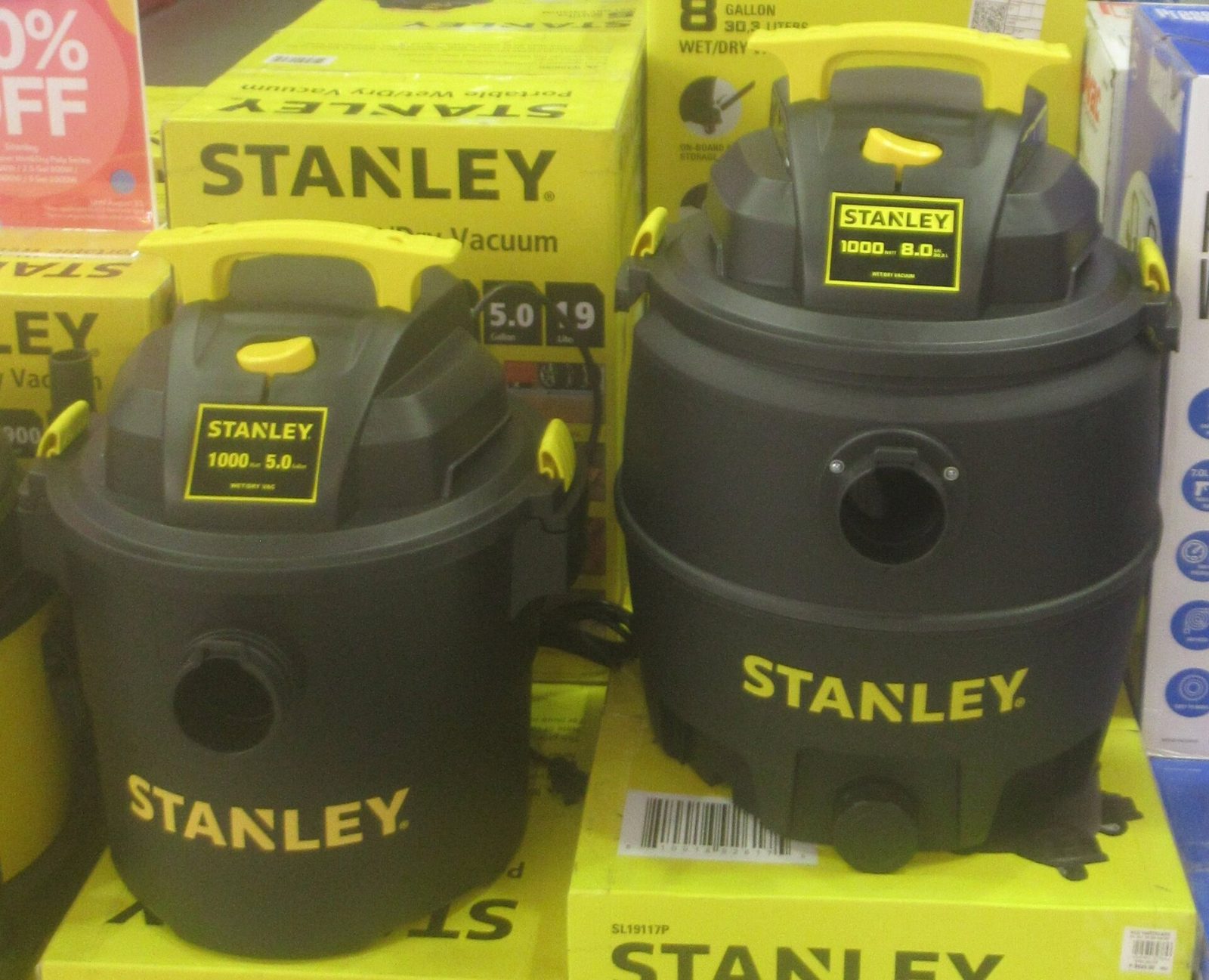
- Vacuum with crevice tool and soft brush attachment
- Soft detailing brushes for vents, buttons and stitching
- Compressed air or a blower for seams and under seats
- Microfibre towels, separated for glass, plastics and leather
- An all-purpose interior cleaner diluted for the surface
- Dedicated leather cleaner and conditioner
- Fabric or carpet cleaner, plus a carpet brush or drill brush
- Ammonia-free glass cleaner, safe for tinted windows
- Optional: hot-water extractor or steam cleaner
Surface by surface
| Surface | Clean with | Avoid |
|---|---|---|
| Dashboard and plastics | Diluted interior cleaner on a towel, soft brush in textures | Greasy, shiny dressings that cause windscreen glare |
| Touchscreens and displays | Slightly damp microfibre or screen-safe cleaner | Glass cleaner with ammonia, paper towels |
| Leather | Leather cleaner, soft brush, then conditioner | Household cleaners, magic erasers |
| Fabric seats | Upholstery cleaner, brush, extract or blot | Soaking the foam underneath |
| Carpets and mats | Vacuum, brush, shampoo or extract | Leaving them damp |
| Headliner | Minimal cleaner on a towel, light dabbing | Spraying directly, scrubbing |
| Glass | Ammonia-free cleaner, two-towel method | Cleaning in direct sun |
Headliners are fragile
Many headliners are glued to a backing board. Too much liquid or scrubbing can loosen the glue and cause sagging. Spray cleaner onto a towel, not the headliner, and dab gently.
Dealing with sand
Sand is the signature dirt of UAE car interiors. It sinks into carpet pile and seat seams and acts like sandpaper on fibres and leather.
- Beat floor mats outside before vacuuming.
- Agitate carpets with a stiff brush while vacuuming to lift deep sand.
- Use compressed air along seat rails and seams.
- Consider rubber or all-weather mats if you visit the beach or desert often.
Leather care in heat
Dark leather can become very hot after a few hours in the sun, which dries it out and accelerates cracking, especially on bolsters. Clean leather gently to remove sweat, sunscreen and body oils, then apply a conditioner suited to the type of leather in your car. Perforated and ventilated seats need extra care: use minimal product and wipe off excess so holes do not clog.
Heat is the enemy of interiors. Protection is not about shine; it is about slowing the sun down.
Cleaning fabric seats step by step
Fabric seats hold more dirt than they show. A careful approach avoids over-wetting the foam, which can lead to musty smells in humid weather.
- Vacuum thoroughly, using a brush attachment to lift dirt from the weave.
- Test your upholstery cleaner on a hidden area for colour fastness.
- Mist the cleaner lightly over one section at a time rather than soaking it.
- Agitate gently with a soft upholstery brush in overlapping passes.
- Blot with a clean microfibre towel, or extract with a wet vacuum if you have one.
- Repeat on stubborn spots instead of adding more liquid at once.
- Leave doors or windows open, or run the air conditioning, until seats are completely dry.
For coffee, food and sweat stains, treat early. Older stains may need several gentle rounds or a professional extractor.
Odours
Odours usually come from spills, food crumbs, damp carpets, smoke or the air-conditioning system. Removing the source is more effective than masking with fragrance:
- Find and clean spills in seat crevices and under mats.
- Make sure carpets are fully dry after cleaning.
- Replace the cabin air filter at the interval in your owner’s manual.
- Consider professional AC system cleaning if a musty smell persists.
Protection and maintenance
After cleaning, apply a non-greasy UV protectant to dashboards and door cards. A windscreen sunshade makes a noticeable difference to cabin temperature and surface aging. Keep a small kit in the car: a microfibre towel, interior quick detailer and a small brush for weekly touch-ups.
Weekly two-minute routine
- Shake out mats.
- Wipe the steering wheel, gear selector and screen with a suitable cleaner.
- Quick vacuum of driver footwell.
- Remove rubbish and empty bottles.
DIY or professional?
A careful DIY interior detail is very achievable with basic tools. Professional detailers add hot-water extraction, steam and experience with delicate materials like Alcantara, suede and high-end leather. If you have heavy stains, mould, persistent odours or very expensive trim, professional help is worth considering. Exterior steps and safe washing methods are covered in our car wash methods comparison.
Frequently asked questions
How long does interior detailing take?
A thorough DIY job may take two to four hours. Professional deep cleans with extraction can take longer, plus drying time.
Can I use household cleaners in my car?
Many are too harsh for automotive plastics, screens and leather. Use products made for car interiors.
How often should I detail my car interior?
A full detail every few months and quick weekly touch-ups suit most drivers. More often with children, pets or frequent beach trips.
How do I remove sand from car carpets?
Brush vigorously while vacuuming, use compressed air in seams, and repeat. Deep extraction helps with very sandy carpets.
Sources: International Detailing Association, Dubai Municipality, RTA Dubai
Cover photo: Julian Dunn, CC BY 2.0. Last reviewed: 2026-11-25.