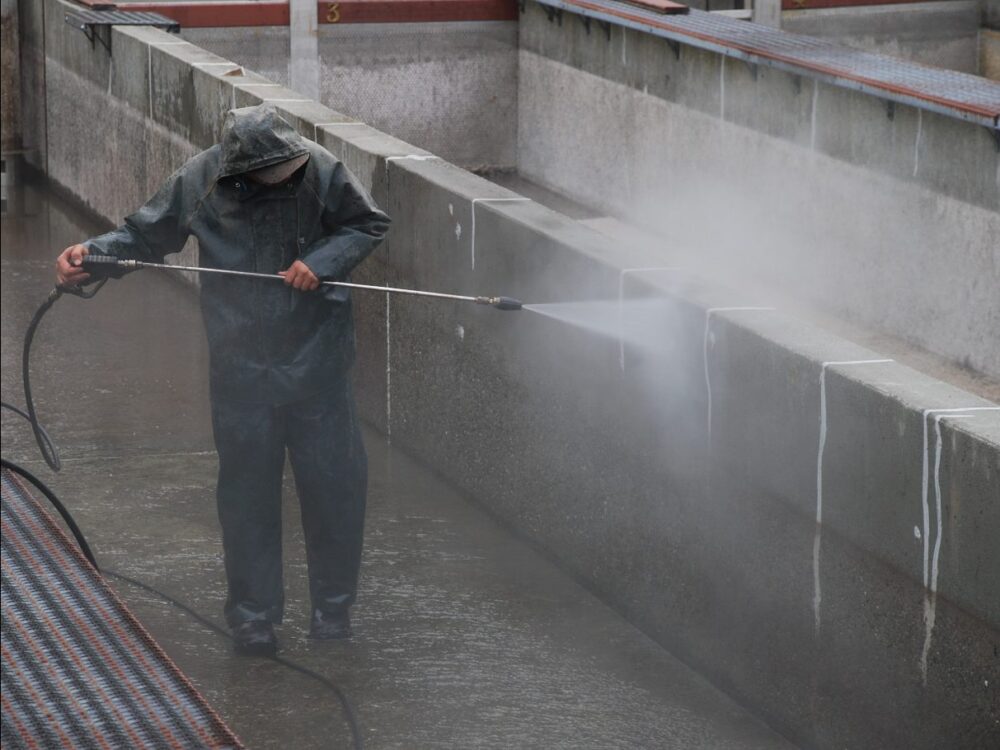
A car washing pump is the motor-driven unit that pressurises water for rinsing and foaming a car, most often in the form of an electric pressure washer, a 12-volt portable pump or a booster pump for low tap pressure. For washing cars you need moderate pressure, decent flow and good nozzles, not maximum power, because too much pressure close to paint can damage trim, chips and wraps.
In this guide
Types of car washing pumps
Electric pressure washers
The most common choice for home use. A motor drives a pump that raises water pressure, delivered through a hose to a trigger gun and interchangeable nozzles. Models range from compact consumer units to heavier induction-motor machines intended for frequent use.
12-volt portable pumps
Small pumps that run from a car’s accessory socket or a battery, drawing water from a bucket or tank. Pressure is low, but they are handy where there is no mains power or tap, such as camping trips or remote parking.
Battery pressure washers
Cordless units with rechargeable packs. Useful in car parks without sockets. Run time is limited by battery capacity, so larger jobs may need spare batteries.
Booster pumps
Some homes have weak tap pressure. A booster pump raises supply pressure to feed a hose or pressure washer more consistently. These are plumbing devices, so installation may require a professional.
Pressure, flow and why both matter
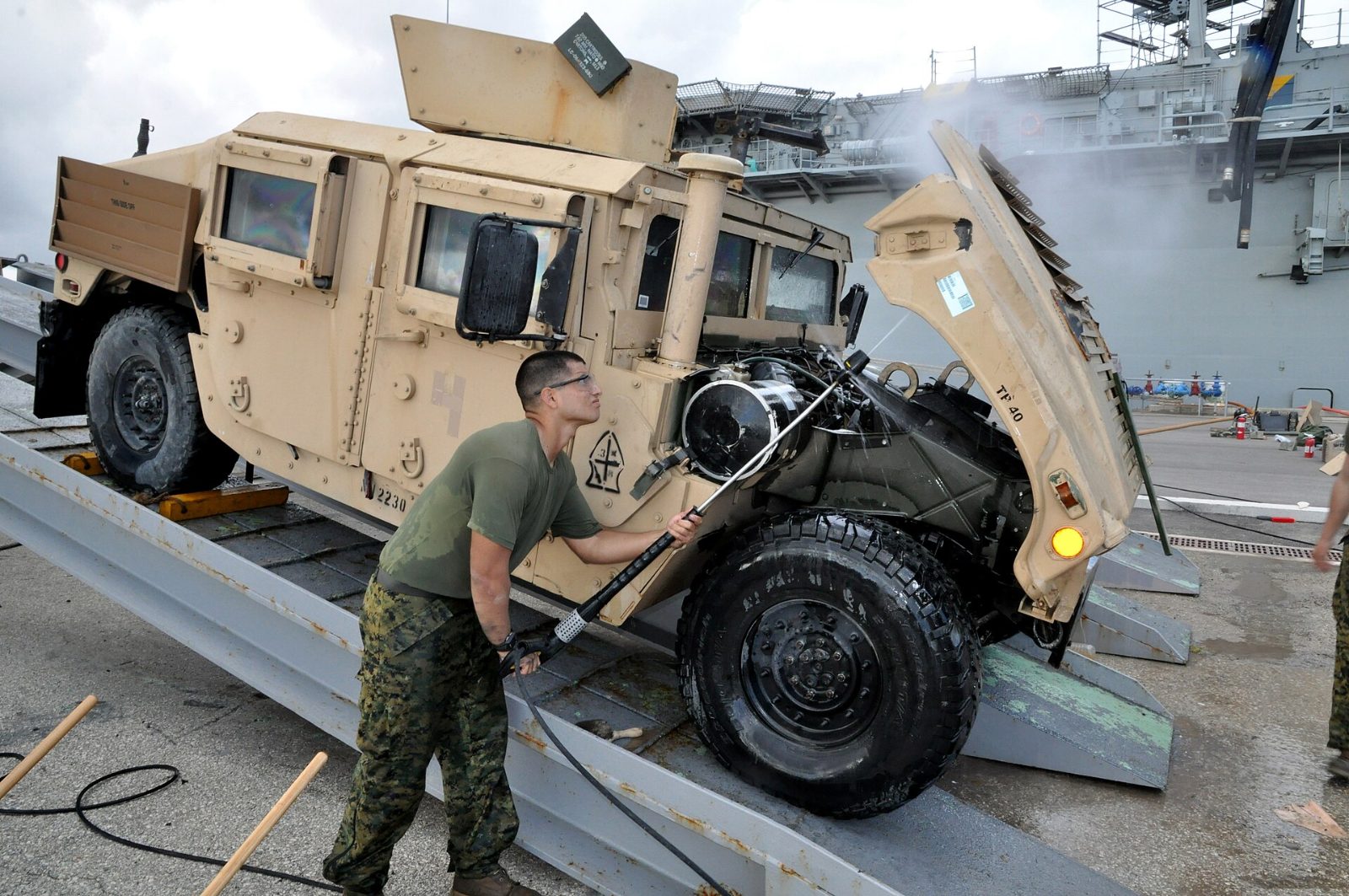
Two numbers appear on every specification sheet: pressure (bar or PSI) and flow rate (litres per minute). Pressure is how hard the water hits; flow is how much water moves. For rinsing a car, flow does a lot of the useful work by carrying dirt away. Very high pressure with low flow can feel aggressive but rinse poorly.
| Pump type | Pressure | Flow | Power source | Best for |
|---|---|---|---|---|
| Consumer electric washer | Moderate to high | Moderate | Mains | Villas, home garages |
| Heavy-duty electric washer | High | Higher | Mains | Frequent use, detailers |
| Battery washer | Low to moderate | Low | Battery | Car parks without power |
| 12 V portable pump | Low | Low | Car socket or battery | Remote rinsing, camping |
| Booster pump | Raises tap pressure | Depends on supply | Mains | Homes with weak pressure |
Exact figures vary by model, and manufacturers measure them differently, so compare like with like and read independent reviews where possible.
Nozzles and accessories
The nozzle matters as much as the pump.
- Fan nozzles: wider spray angles are gentler and better for paint. Narrow angles concentrate force and are for tough jobs away from paint.
- Zero-degree or rotary “turbo” nozzles: very aggressive; keep them away from paint, rubber seals and tyres’ sidewalls.
- Foam cannon: attaches to the lance and mixes shampoo with air to create thick foam for pre-washing.
- Short lance or angled lance: easier for wheels and wheel arches.
- Quick-connect fittings: make switching nozzles faster and safer.
Safe distances and spots to avoid
- Keep the nozzle a sensible distance from paint, more on older or repaired panels.
- Do not aim directly at paint chips, peeling clear coat, badge edges, PPF and wrap edges, or window seals.
- Never point the lance at people, pets or your own hands and feet.
- Avoid spraying directly into electrical connectors in the engine bay.
Choosing a pump for the UAE
Heat and dust shape what works well here:
- Thermal protection: pumps that run in hot garages benefit from overheating cut-outs. Give machines rest periods during long sessions.
- Inlet filter: sand in water supplies or tanks damages pumps quickly. Choose models with a cleanable inlet filter and check it often.
- Hose quality: cheap hoses harden and crack in sun. Store hoses in shade and coil them loosely.
- Water source: if you draw from a tank, make sure the pump is designed for suction from a container; not all are.
You can see how pressure washing compares with other wash methods in our car wash methods comparison.
For cars, the right pump is the one you can control. Gentle, steady rinsing beats raw power every time.
Using a pump in a wash routine
- Rinse the car top to bottom to remove loose dust and sand.
- Foam if you have a cannon, and let it dwell without drying.
- Rinse the foam away.
- Hand wash with the two-bucket method.
- Final rinse, then dry immediately with microfibre towels.
The detailing checklist puts these steps in context with decontamination and protection.
Maintenance tips
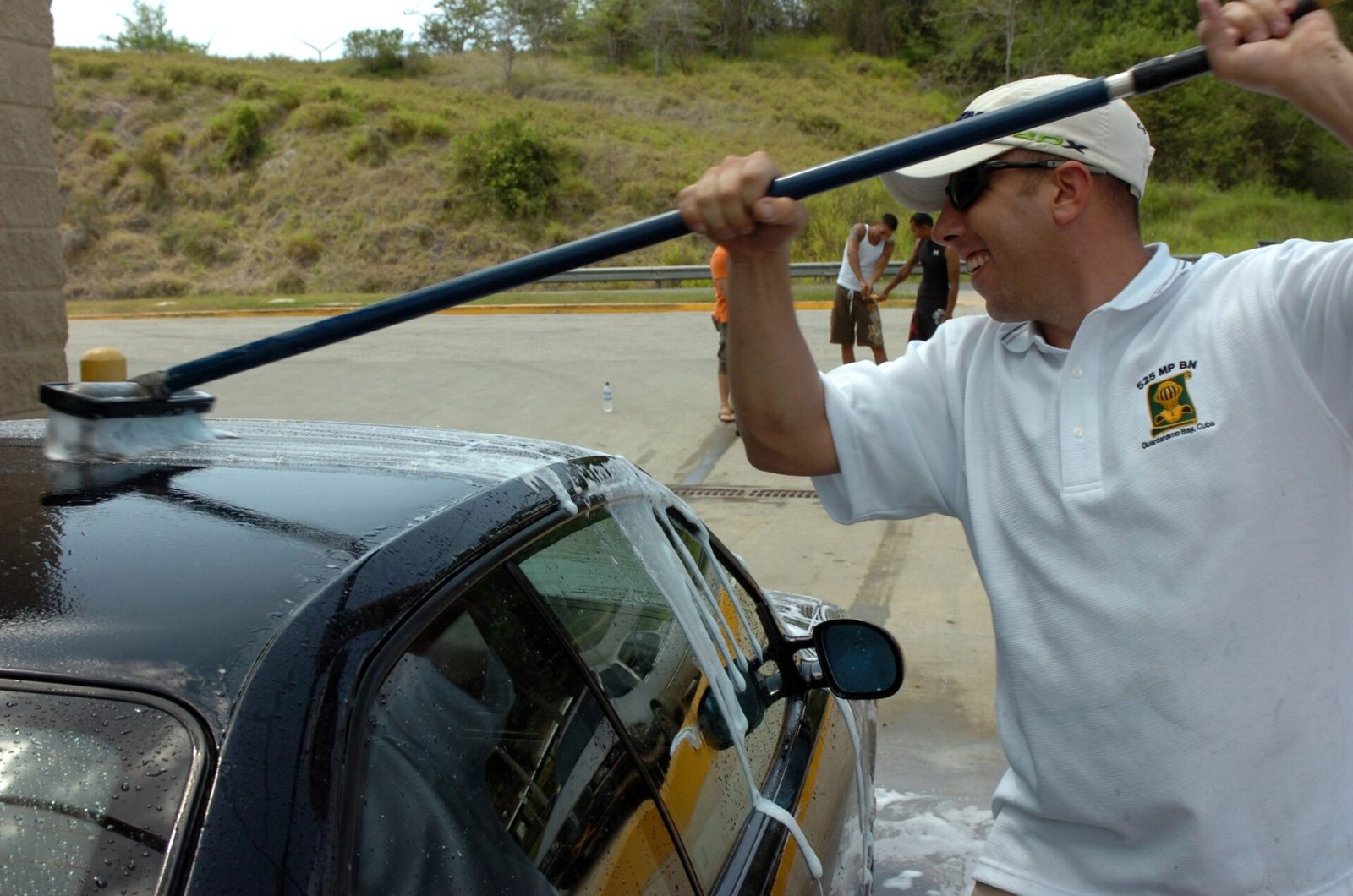
- Run clean water through the pump after using foam or chemicals.
- Release pressure from the gun before disconnecting hoses.
- Store the unit indoors, upright and out of direct sun.
- Check O-rings on fittings; worn seals leak and lose pressure.
- If storing for a long time, follow the manufacturer’s advice on draining or using pump protector.
Before using a pump at home, check your community or building rules on washing and run-off, and follow municipality guidance on discharging dirty water.
Frequently asked questions
What pressure is safe for washing a car?
There is no single number. Use a wide fan nozzle, keep a sensible distance and reduce pressure on delicate areas. Many car owners use well below a machine’s maximum.
Can I use a pressure washer on a wrapped car?
Many wrap makers allow it with distance and angle limits. Check your installer’s care instructions.
Do I need a foam cannon?
It is optional. It helps loosen dirt before contact washing, which can reduce the risk of scratches.
Is a 12-volt pump enough for washing a car?
It can rinse a car slowly, but it lacks the force to remove stuck dirt. It suits light rinsing and remote use.
Sources: Dubai Municipality, Kärcher, US EPA
Last reviewed: 2026-11-25.