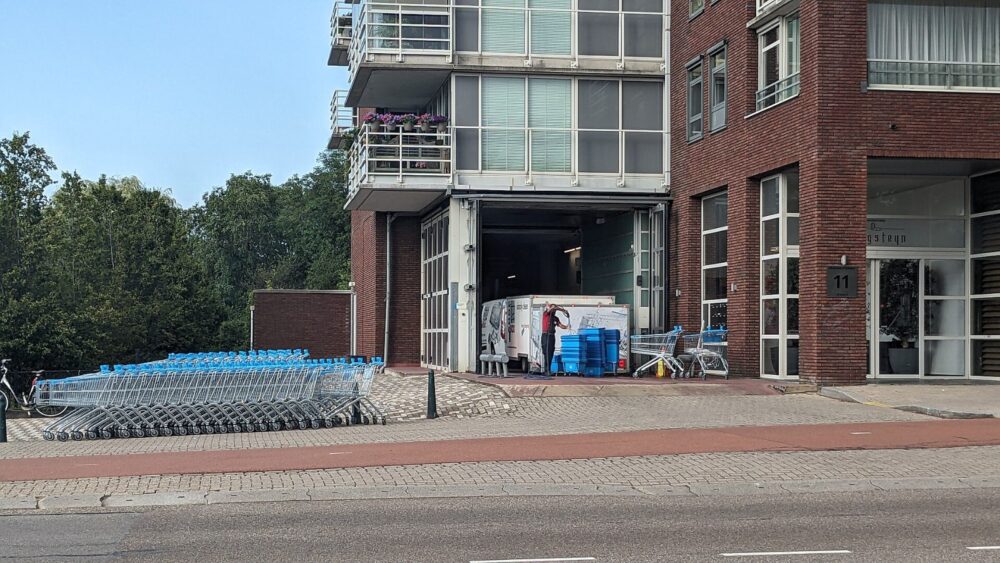
A car wash trolley is a wheeled cart that carries everything needed to wash cars away from a fixed station: usually a water tank, a pressure washer or pump, a hose reel, a foam lance and storage for chemicals and towels. Mobile washers, building car park teams and keen home detailers use them to move between cars without dragging hoses and buckets around.
In this guide
What a typical trolley includes
Designs range from a simple bucket cart to a fully fitted mobile unit. The common building blocks are:
- Frame and wheels: steel or aluminium, with puncture-proof or pneumatic tyres for kerbs and ramps.
- Water tank: sized to the job; larger tanks mean fewer refills but more weight.
- Pump or pressure washer: electric (needs a socket), battery-powered or petrol-driven.
- Hose reel: keeps the high-pressure hose tidy and off the ground.
- Foam cannon or sprayer: for pre-wash foam.
- Storage: shelves or crates for shampoo, wheel cleaner, glass cleaner and microfibre towels.
Some trolleys are designed for waterless or rinseless washing and carry only spray bottles, a small reservoir and towel bins. These are common in basement car parks where running water and drainage are limited.
Choosing the right type
| Trolley type | Water source | Power | Suits |
|---|---|---|---|
| Bucket and tool cart | Tap or none | None | Home use, rinseless washing |
| Electric pressure washer trolley | Tap or tank | Mains socket | Villas, workshops with power points |
| Battery pressure washer trolley | Tank | Rechargeable battery | Car parks without sockets |
| Petrol engine trolley | Tank | Fuel | Large outdoor sites; noisy and has exhaust, not for enclosed spaces |
| Waterless kit trolley | Spray bottles | None | Apartment car parks, offices |
Before buying, think about where the trolley will actually be used. A petrol engine unit should never run in an enclosed basement because of exhaust fumes. A mains-powered unit is useless without accessible sockets, and trailing extension leads through wet areas brings electrical risk.
Electrical and water safety
- Use only outdoor-rated extension leads and keep connections off wet ground.
- A residual current device (RCD) adds an important layer of protection with any mains-powered washer.
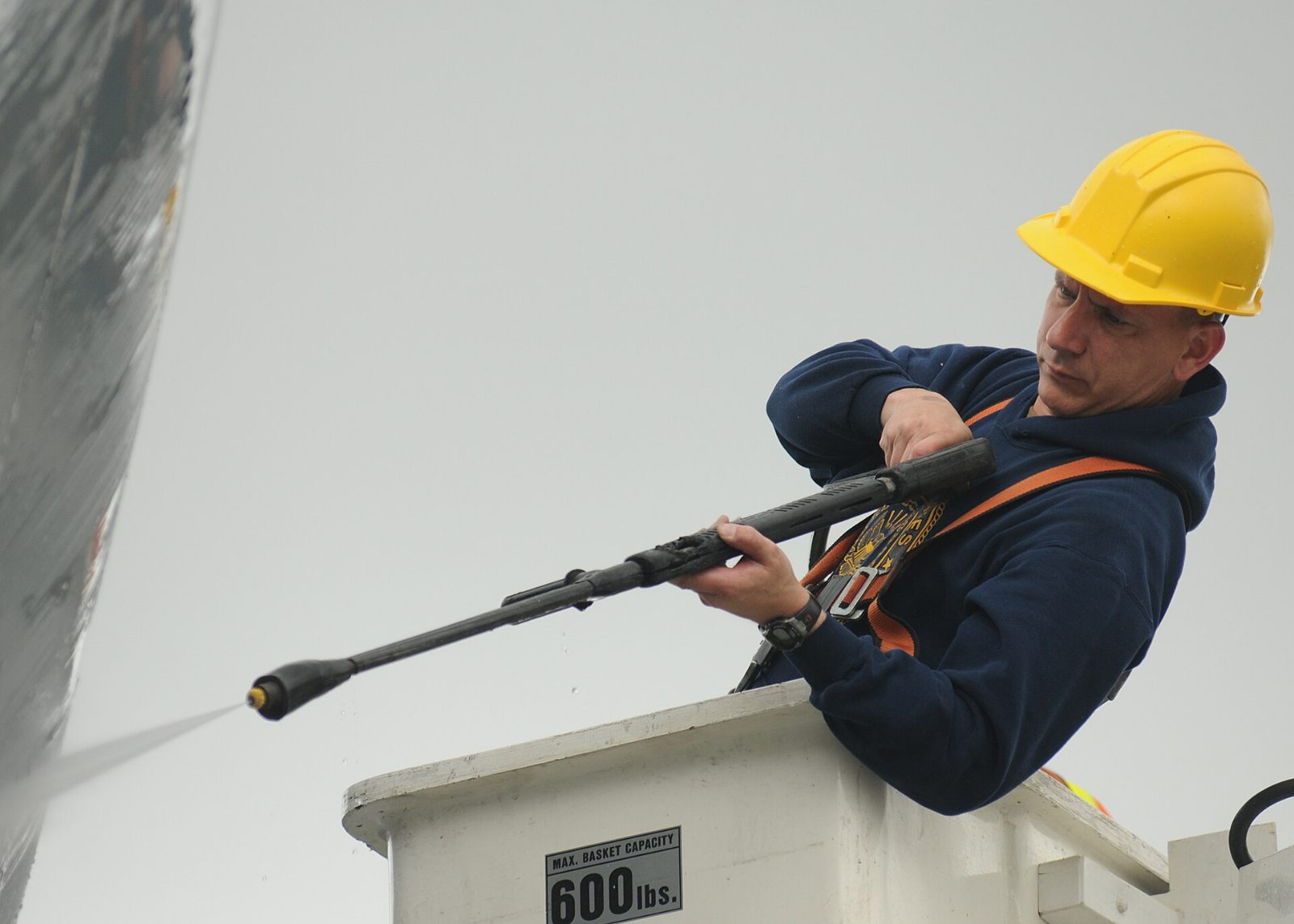
- Do not leave a running pressure washer unattended, and keep the lance pointed away from people.
- Store chemicals upright and closed, away from direct sun.
Water capacity and weight
Water is heavy: roughly one kilogram per litre. A trolley carrying a large tank becomes difficult to push up ramps, through car park speed bumps or on soft sand. If one person will move it, test how it handles when full, not empty. Pneumatic tyres roll better over rough ground; solid tyres never go flat but transmit more vibration.
How much water you need depends on method. A pressure washer uses far less water than an open hose for the same rinse, and rinseless methods need only a few litres per car. Many mobile operators combine a small tank with a rinseless or low-water process to reduce refills and run-off.
Rules on washing and run-off in the UAE
In Dubai and other emirates, authorities restrict washing cars in ways that let dirty water run into streets or storm drains, and fines can apply. Mobile car wash businesses usually need a trade licence that permits that activity, plus permission from building management to work in a car park. If you are planning a mobile wash setup, check current requirements with the municipality and the economic development department of your emirate before investing.
A trolley makes washing portable, but the water still has to go somewhere. Plan for run-off before you plan the equipment.
Setting up a trolley for efficient washes
A well-organised cart saves minutes on every car. One layout that works well:
- Top shelf: spray bottles for interior, glass and quick detailer, within easy reach.
- Middle: wash bucket with grit guard, mitts and wheel brushes.
- Bottom: chemicals in concentrate, spare towels in a sealed bin to keep dust off.
- Side hooks: hose reel, foam lance and a bag for used towels.
Separate clean and dirty towels clearly. A towel dropped on the ground picks up sand that will scratch paint, so it goes straight to the dirty bin. The full detailing checklist can serve as a printed job card on the trolley.
Maintenance
Heat and dust are hard on pumps, seals and hoses. Simple habits extend equipment life:
- Flush the pump with clean water after using chemicals.
- Drain the tank if it will sit unused for days, to avoid algae and odour.
- Store hoses out of direct sun, which degrades rubber and plastic.
- Check tyre pressure on pneumatic wheels and grease wheel bearings occasionally.
- Clean or replace inlet filters; sand in the water supply damages pumps quickly.
Choosing a pressure washer for paint
For cars, very high pressure is not the goal. Use a fan nozzle, keep a sensible distance from the paint, and be gentle around badges, trim edges and paint chips. Most car owners never need the most powerful model.
Frequently asked questions
Do I need a water tank on my trolley?
Only if you work where there is no accessible tap. For villa use, connecting to a garden tap is simpler and lighter.
Is a battery pressure washer powerful enough for cars?
For rinsing and foaming, many are adequate. They are less suited to long continuous use without spare batteries.
Can I start a mobile car wash with a trolley in Dubai?
You will need the appropriate trade licence and permissions from building or community management. Check requirements with the relevant authorities before starting.
What size tank should I choose?
It depends on your method and how many cars you wash between refills. Rinseless methods need far less water than pressure rinsing.
Sources: Dubai Municipality, Dubai Department of Economy and Tourism, International Carwash Association
Cover photo: Donald Trung Quoc Don (Chữ Hán: 徵國單) – Wikimedia Commons – © CC BY-SA 4.0 Intern, CC BY-SA 4.0. Last reviewed: 2026-11-25.